





直落式木工除尘器管路密封性检查调试
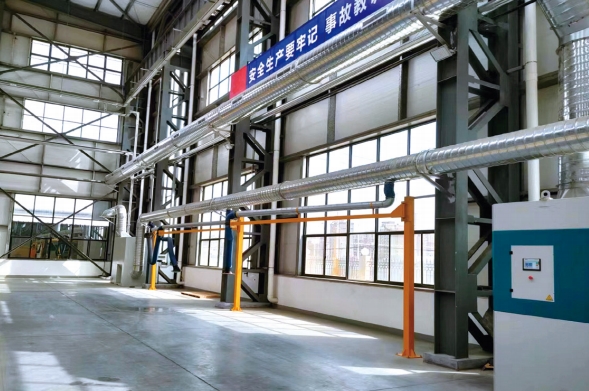
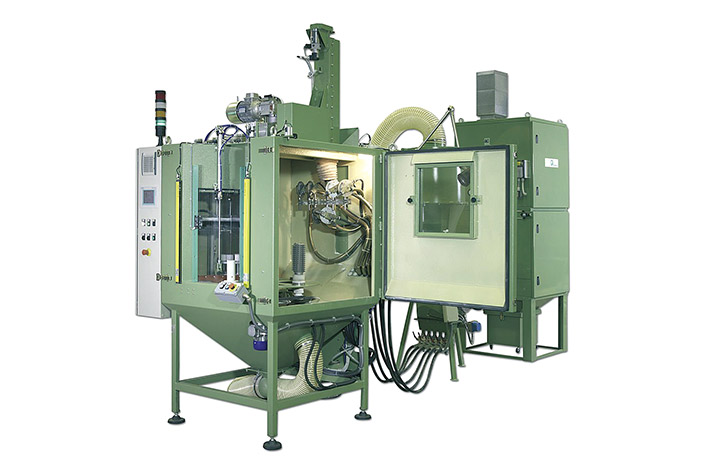
直落式木工除尘器依靠重力沉降与负压抽吸结合的方式处理木屑粉尘,管路密封性直接决定除尘速率与运行稳定,漏风会引发风量不足、粉尘逸散,还可能破坏设备内部负压平衡,导致木屑堆积堵塞,规范开展密封性检查调试,是确定木工除尘系统稳定运行的核心环节,以下为详细要求解析。
The straight fall woodworking dust collector relies on a combination of gravity settling and negative pressure suction to process sawdust. The sealing of the pipeline directly determines the dust removal rate and stable operation. Air leakage can cause insufficient air volume, dust dispersion, and may also disrupt the internal negative pressure balance of the equipment, leading to sawdust accumulation and blockage. Standardized sealing inspection and debugging are the core links to determine the stable operation of the woodworking dust removal system. The following is a detailed analysis of the requirements.
检查调试前稳定与基础准备
Check stability and foundation preparation before debugging
正式开展密封性检查调试前,需要完成稳定确认与前置准备,规避作业风险,确定检测精度。起先断开除尘器总电源,在电源开关处放置稳定警示标识,锁定动力系统防止误启动,确认风机、卸灰阀等所有运动部件全部静止后再开展作业,严禁带电操作,避免触电或旋转部件伤人。
Before conducting formal sealing inspection and debugging, it is necessary to complete stability confirmation and pre preparation to avoid operational risks and determine testing accuracy. At first, disconnect the main power supply of the dust collector, place a stable warning sign at the power switch, lock the power system to prevent accidental start-up, confirm that all moving parts such as the fan and ash discharge valve are stationary before starting the operation, and strictly prohibit live operation to avoid electric shock or injury from rotating parts.
清理管路内外附着的木屑、粉尘与杂物,管路内壁残留的积灰会掩盖漏点,检测时无法准确定位,清理过程中注意不要磕碰管路接口,避免原本密封良好的部位出现松动漏风。逐一检查所有管路连接部位的外观状态,确认法兰、弯头、变径段、吸尘罩的连接螺栓没有明显松动,检修门、清灰口的锁扣都处于闭合状态,没有明显缝隙,提前排除肉眼可见的大漏点,避免后续检测时出现大范围漏风,影响检测精度。
Clean the wood chips, dust, and debris attached inside and outside the pipeline. The residual dust on the inner wall of the pipeline will cover up the leakage point, making it difficult to accurately locate during inspection. During the cleaning process, be careful not to bump the pipeline interface to avoid loose air leakage in the originally well sealed parts. Check the appearance status of all pipeline connection parts one by one, confirm that the connecting bolts of flanges, elbows, variable diameter sections, and vacuum hoods are not significantly loose, and that the locks of the maintenance door and dust cleaning port are closed without obvious gaps. Eliminate visible large leakage points in advance to avoid large-scale air leakage during subsequent inspections, which may affect the accuracy of the inspection.
准备好密封性检测所需的工具,确认检测设备状态完好,在车间划定临时作业区域,避免无关人员误入碰撞管路,所有准备工作完成后,再进入正式检测环节,不可以未做准备就直接启动设备检测,避免漏风引发粉尘二次逸散,污染车间环境。

Prepare the necessary tools for sealing testing, confirm that the testing equipment is in good condition, designate a temporary work area in the workshop to prevent unrelated personnel from accidentally entering and colliding with pipelines. After all preparation work is completed, proceed to the formal testing stage. Do not start the equipment testing without preparation to avoid secondary dust emission caused by air leakage and pollution of the workshop environment.
正压鼓风法全管路漏点排查
Investigation of leakage points in the entire pipeline using positive pressure blowing method
直落式木工除尘器的管路以负压运行,采用正压鼓风法排查漏点,能准确定位所有隐蔽漏点。在管路末端临时封闭所有吸尘罩开口,在风机出入口位置接入鼓风装置,向管路内部送入洁净气流,让管路内部形成稳定的微正压环境,避免负压状态下外部气流涌入,无法直观观察漏点。
The pipeline of the straight fall woodworking dust collector operates under negative pressure and uses positive pressure air blowing method to check for leaks, which can accurately locate all hidden leaks. Temporarily close all vacuum hood openings at the end of the pipeline, connect a blower device at the inlet and outlet of the fan, and send clean airflow into the pipeline to create a stable micro positive pressure environment inside the pipeline, avoiding external airflow from entering under negative pressure and making it difficult to visually observe the leakage point.
检测过程中,采用发烟法配合排查,将用发烟装置放置在管路内部,发烟后沿着管路走向逐一巡查,观察所有连接部位,有烟雾溢出的位置就是漏点,做好标记。主要排查法兰连接位置,法兰密封垫容易出现老化变形、错位安装,是常见的漏风位置,逐一确认密封垫全部嵌入法兰凹槽内,没有局部挤出、断裂的情况,烟雾溢出说明密封垫存在缝隙,需要重新处理。
During the detection process, the smoking method is used to assist in the investigation. The smoking device is placed inside the pipeline, and after smoking, it is inspected one by one along the direction of the pipeline. All connection parts are observed, and the location where smoke overflows is the leak point, which is marked. The main focus of the inspection is on the flange connection position. The flange gasket is prone to aging, deformation, and misalignment during installation, which is a common air leakage location. It is necessary to confirm that the gasket is fully embedded in the flange groove without any local extrusion or breakage. Smoke overflow indicates that there are gaps in the gasket and it needs to be reprocessed.
同时排查管路焊接位置,木工除尘管路多为薄钢板焊接,焊接缝隙容易出现沙眼、虚焊,长期受木屑磨损后会形成细小漏孔,烟雾溢出说明焊接位置存在缺陷,做好标记后续补焊处理。还要排查检修门、观察窗的密封胶条,胶条长期使用会出现老化开裂,闭合后存在缝隙,也是常见漏点,发现胶条变形开裂的,标记后愈换新的密封件。
At the same time, the welding position of the pipeline should be checked. Woodworking dust removal pipelines are mostly welded with thin steel plates, and the welding gaps are prone to sand holes and virtual welding. After long-term wear by wood chips, small leakage holes will form, and smoke overflow indicates that there are defects in the welding position. Mark them properly and carry out subsequent welding treatment. It is also necessary to check the sealing strips of the maintenance doors and observation windows. The sealing strips will age and crack after long-term use, and there will be gaps when closed, which is also a common leakage point. If the sealing strips are found to be deformed and cracked, they should be marked and replaced with new sealing components.
排查过程中不要遗漏管路变径段、弯头位置,这些部位长期受木屑冲刷,管壁容易磨穿形成漏孔,是隐蔽性较不错的漏点,需要逐一仔细检查,所有漏点全部标记完成后,再停止鼓风,不可以边检测边处理,避免漏点遗漏。
During the inspection process, do not miss the variable diameter section and elbow position of the pipeline. These parts are easily eroded by sawdust for a long time, and the pipe wall is prone to wear through and form leakage holes. They are relatively concealed leakage points and need to be carefully inspected one by one. After all leakage points are marked, stop blowing air and do not handle them while detecting to avoid leakage points.
针对性密封整改调试
Targeted sealing rectification and debugging
所有漏点定位标记完成后,针对性开展密封整改调试,去掉所有漏风隐患。对于法兰连接位置的漏点,先松开对角螺栓,取出旧密封垫,清理法兰接触面残留的杂物与旧胶痕,替换全新的适配密封垫,密封垫要完整覆盖整个法兰端面,没有缺口错位,然后对角逐步紧固螺栓,确定法兰四周受力均匀,密封垫均匀压紧,不会出现局部缝隙,紧固完成后再次用烟条靠近检测,确认没有烟雾溢出,说明密封合格。
After all leak point positioning marks are completed, targeted sealing rectification and debugging will be carried out to remove all potential air leakage hazards. For the leakage point at the flange connection position, first loosen the diagonal bolts, remove the old sealing gasket, clean up the remaining debris and old rubber marks on the flange contact surface, replace with a brand new adapter sealing gasket, and ensure that the sealing gasket covers the entire flange end face completely without any gaps or misalignments. Then gradually tighten the bolts diagonally to ensure that the stress around the flange is uniform, the sealing gasket is evenly compressed, and there are no local gaps. After tightening, use a tobacco rod to approach and check again to confirm that there is no smoke escaping, indicating that the sealing is qualified.
对于焊接位置的沙眼、虚焊漏点,先清理漏点周边的木屑与锈迹,采用连续满焊方式补焊,补焊后打磨焊渣,确认焊接位置没有新的缝隙,薄钢板管壁磨穿形成的漏孔,不能直接打补丁焊接,要切割掉磨损段,愈换新的同规格管段,避免补丁周边再次出现磨损漏风。
For sand holes and virtual welding leaks in the welding position, first clean the sawdust and rust around the leak point, and use continuous full welding to repair the welding. After welding, polish the welding slag to confirm that there are no new gaps in the welding position. The thin steel plate pipe wall is worn through to form a leak hole, and cannot be directly patched and welded. The worn section should be cut off and replaced with a new pipe section of the same specification to avoid further wear and air leakage around the patch.
对于检修门、观察窗的密封胶条漏点,拆除老化开裂的旧胶条,清理安装槽内的残留胶痕,粘贴全新的损密封胶条,确定胶条全部嵌入槽内,没有凸起错位,闭合检修门后调整锁扣松紧度,让胶条均匀受压,全部填满缝隙,按压后没有局部松动,确认密封严密。
For the leakage points of the sealant strip of the access door and observation window, remove the old adhesive strip that is aging and cracking, clean the residual adhesive traces in the installation slot, paste a new damaged sealant strip, make sure that all the adhesive strips are embedded in the slot, and there is no bulge or dislocation. After closing the access door, adjust the tightness of the lock catch, so that the adhesive strip is evenly pressed, and all the gaps are filled. After pressing, there is no local looseness, and confirm that the seal is tight.
上一篇:RTO废气焚烧炉烟气余热利用系统要点在哪?
下一篇:

 鲁公网安备 37142502000144号